
About GLOBALG.A.P.
National technical working groups
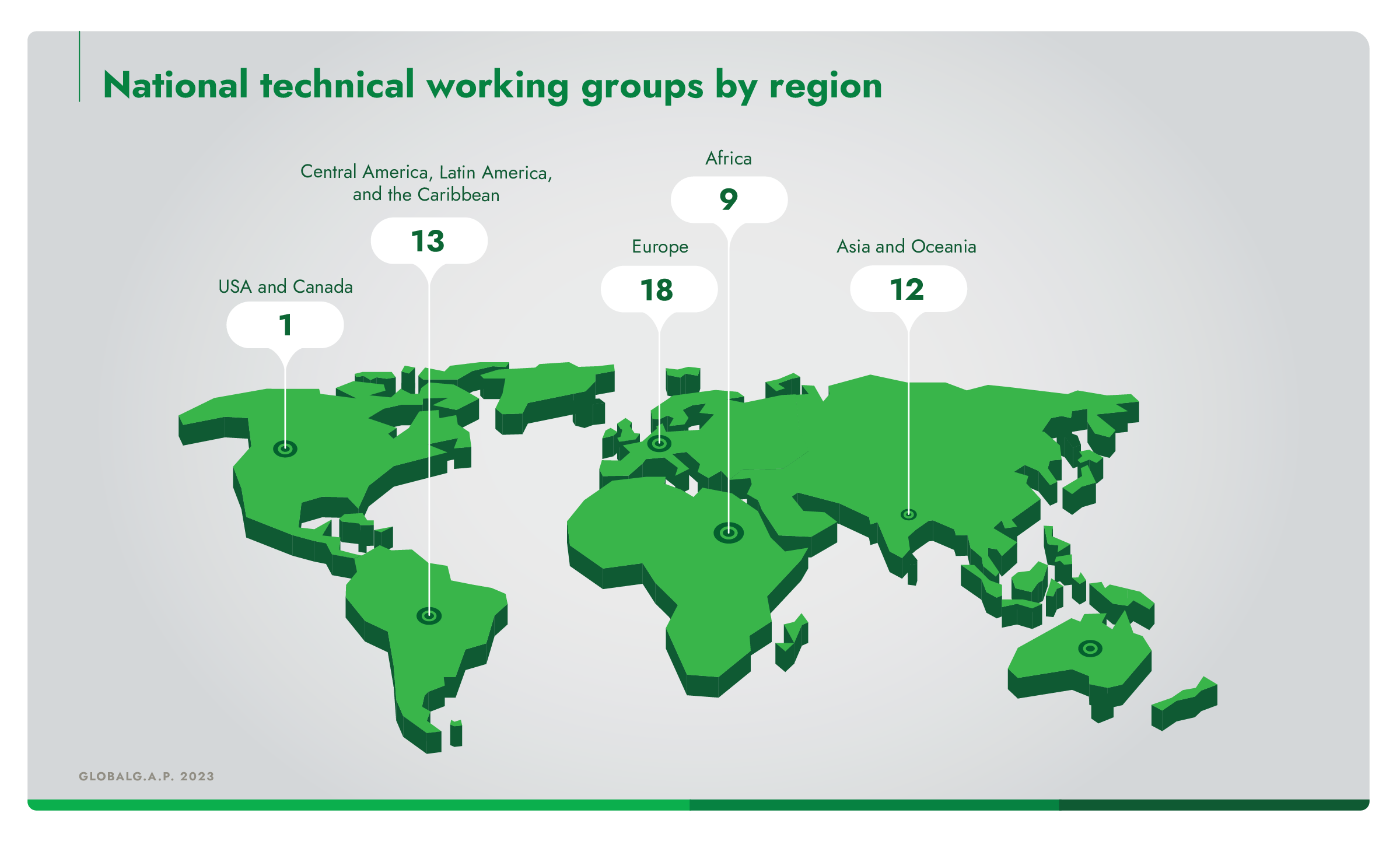
National technical working groups (NTWGs) facilitate the implementation of GLOBALG.A.P. solutions in specific countries. They help bridge the gap from global to local by identifying application challenges at a national level and developing national interpretation guidelines.
Thinking globally, acting locally
What are national technical working groups?
National technical working groups (NTWGs) consist of GLOBALG.A.P. Community Members, qualified experts, and relevant stakeholders in a specific country. Participants may include producer organizations, certification bodies (CBs), retailers, supply chain members, and more. Together, NTWG members work to identify adaptation and implementation challenges based on local legislation or structural conditions. They then develop national interpretation guidelines (NIGs), helping producers and CBs to apply and audit against GLOBALG.A.P. principles and criteria (P&Cs) at a local level.

Why do we have NTWGs?
NTWGs are currently active in more than 40 countries, helping Agraya GmbH to tap into national networks of experts and gain extensive knowledge about the different legal and operational contexts that exist around the world. They represent the technical entry point into a new market and form the local contact point for Agraya GmbH when feedback is required.
This expertise helps to ensure that GLOBALG.A.P. farm assurance solutions are fit for purpose in different global conditions, improving the efficiency of the audit process.
Interested in joining the NTWG in your country?
What are the responsibilities of an NTWG?
Providing assistance
with the proofreading and translation of official GLOBALG.A.P. standard/add-on documents into the languages of the NTWG host country

Developing NIGs
for GLOBALG.A.P. standards/add-ons in collaboration with technical working groups
Supporting technical working groups
with expertise on country-specific conditions and revision proposals for GLOBALG.A.P. standard/add-on documents

Organizing meetings,
a minimum of two per year, providing Agraya GmbH with meeting minutes, participation lists, and insights on relevant issues

Participating in the peer review
of GLOBALG.A.P. benchmarking activities concerning schemes operating in the NTWG host country

Updating Agraya GmbH
with information on names, companies, and email addresses of all NTWG members
Providing assistance
with the proofreading and translation of official GLOBALG.A.P. standard/add-on documents into the languages of the NTWG host country
Developing NIGs
for GLOBALG.A.P. standards/add-ons in collaboration with technical working groups
Supporting technical working groups
with expertise on country-specific conditions and revision proposals for GLOBALG.A.P. standard/add-on documents
Organizing meetings,
a minimum of two per year, providing Agraya GmbH with meeting minutes, participation lists, and insights on relevant issues
Participating in the peer review
of GLOBALG.A.P. benchmarking activities concerning schemes operating in the NTWG host country
Updating Agraya GmbH
with information on names, companies, and email addresses of all NTWG members
Providing assistance
with the proofreading and translation of official GLOBALG.A.P. standard/add-on documents into the languages of the NTWG host country
Developing NIGs
for GLOBALG.A.P. standards/add-ons in collaboration with technical working groups
Supporting technical working groups
with expertise on country-specific conditions and revision proposals for GLOBALG.A.P. standard/add-on documents
Organizing meetings,
a minimum of two per year, providing Agraya GmbH with meeting minutes, participation lists, and insights on relevant issues
Participating in the peer review
of GLOBALG.A.P. benchmarking activities concerning schemes operating in the NTWG host country
Updating Agraya GmbH
with information on names, companies, and email addresses of all NTWG members
Providing assistance
with the proofreading and translation of official GLOBALG.A.P. standard/add-on documents into the languages of the NTWG host country
Organizing meetings,
a minimum of two per year, providing Agraya GmbH with meeting minutes, participation lists, and insights on relevant issues
Developing NIGs
for GLOBALG.A.P. standards/add-ons in collaboration with technical working groups
Participating in the peer review
of GLOBALG.A.P. benchmarking activities concerning schemes operating in the NTWG host country
Supporting technical working groups
with expertise on country-specific conditions and revision proposals for GLOBALG.A.P. standard/add-on documents
Updating Agraya GmbH
with information on names, companies, and email addresses of all NTWG members
Why join an NTWG?
Contribute to NIG development for the local interpretation of a GLOBALG.A.P. standard/add-on
Participate in the peer review process of GLOBALG.A.P. benchmarking and recognition activities in your country
Provide qualified input to the continuous improvement of the GLOBALG.A.P. farm assurance solutions portfolio
Help producers in your country to achieve certification and increase awareness of responsible farming practices
Expand your regional and global networks by connecting with one of the largest community membership programs in the industry
Partner with us at GLOBALG.A.P. TOUR stop events, focusing on issues relevant to your country or region
Benefit from regular communication and exchange as part of our stakeholder collaboration framework
Gain insights on GLOBALG.A.P. technical news, standard revisions, upcoming trainings, and more
NTWGs have no fixed term and work continuously. They are always open to new members, and participation is free of charge for all groups worldwide. Following acceptance of the online registration, Agraya GmbH informs the host organization who invites new members to the next NTWG meeting.
Participating in a NTWG allows for profound cooperation on the local implementation of GLOBALG.A.P. standard requirements – to the benefit of producers, producers' organizations, and certification bodies.
Ann De Craene
Senior Advisor at Verbond van Belgische Tuinbouwcoöperaties (VBT) | Belgium

Share your experience!
Are you already part of our mission to foster the global adoption of safer and more responsible farming practices? We would love to hear from you!
Submit a testimonial about working with GLOBALG.A.P. for a chance to be featured on our website and social media channels – with more than 80,000 followers across five platforms.
Find an NTWG
Harnessing regional value chain expertise
How can I establish a national technical working group?
While anyone can join a national technical working group (NTWG), founding hosts must be GLOBALG.A.P. Community Members from one of the three categories producer/supplier, retail/food service, or associate. There is no minimum number of members required, although we encourage NTWGs to integrate relevant stakeholders from across the whole value chain where possible.
Five steps to hosting an NTWG

Reach out to your network, partners, and other interested parties. Ideally, the group will include stakeholders from all stages of the national value chain.

If you are already a GLOBALG.A.P. Community Member, download the NTWG terms of reference and check the responsibilities. If you are not yet a community member, apply online to start the process.

Sign the NTWG terms of reference and send the document to ntwg@agraya.com. Agraya GmbH will countersign it and confirm the approval of the new NTWG by email. A minimum of two meetings per year are required for the group to be considered active.
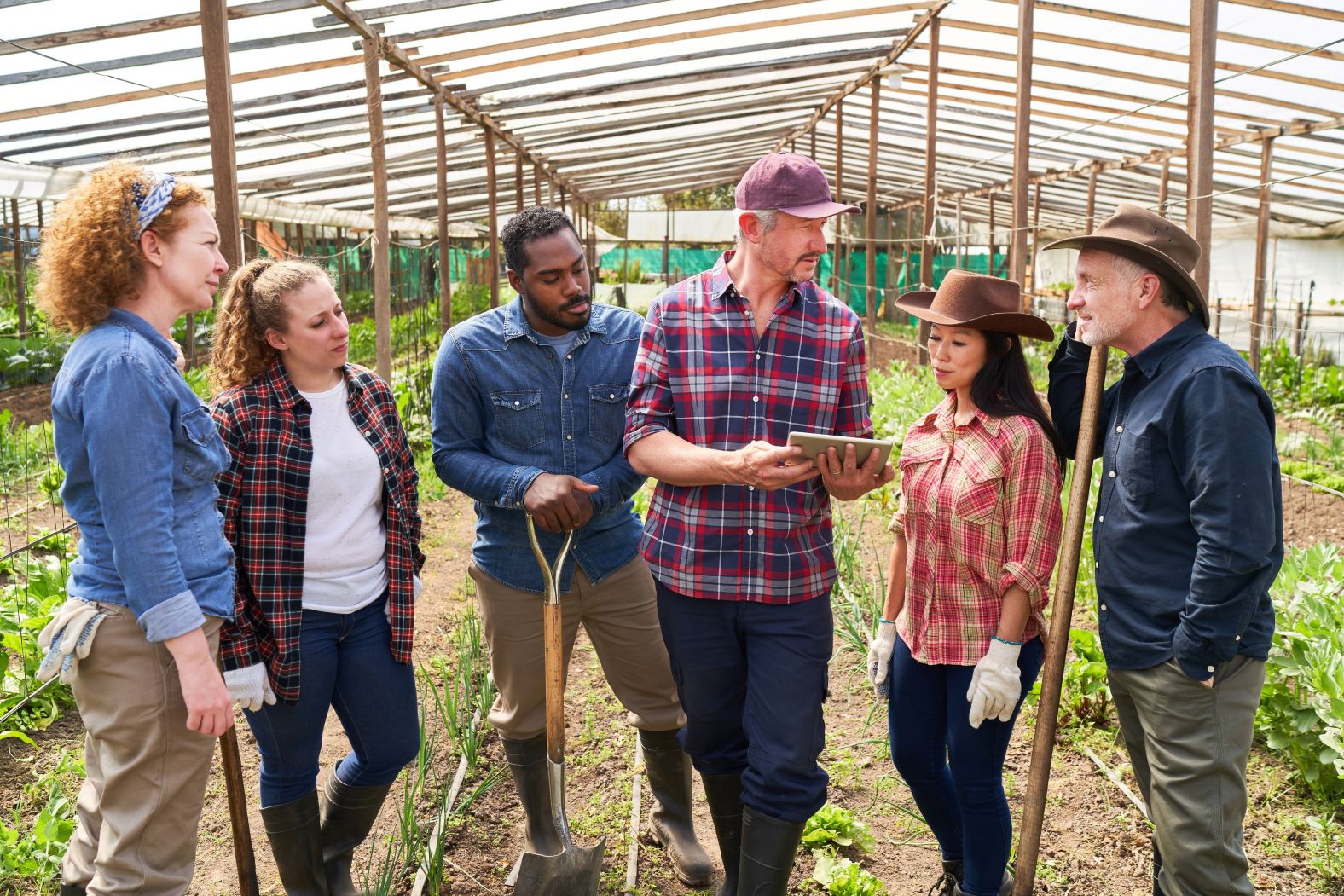
Ask founding group members to register via the online registration form. Agraya GmbH will inform the host about successful registrations by email. If the NTWG creation is part of a GLOBALG.A.P. capacity building project, additional guidance will be provided.

Schedule the first meeting of the NTWG and define a plan of action (to be shared with Agraya GmbH). Members must also elect a chairperson – they can be chosen from any organization represented within the group, not only from the host. The roles and responsibilities of the chairperson are outlined in the NTWG terms of reference.
Join an NTWG
Register here
NTWG terms of reference
DownloadAdapting to local conditions
What are national interpretation guidelines?
The primary purpose of a national technical working group (NTWG) is the development of national interpretation guidelines (NIGs) for GLOBALG.A.P. standards and add-ons. NIGs are an interpretation of our solutions based on the legal and structural conditions of the respective country. NIGs include both the translation of the documents into the local language, as well as the incorporation of national legislation that is required to complement the principles and criteria (P&Cs). The final NIG is relevant to both the implementation and the audit process.
What is the NIG development process?
NTWGs work in close collaboration with both Agraya GmbH and the technical working groups in order to draft, review, and approve an NIG for a specific country.
NIG development is currently possible for all product categories of the scopes plants and aquaculture in the Integrated Farm Assurance (IFA) standard, the GLOBALG.A.P. Chain of Custody standard, and the GLOBALG.A.P. Risk Assessment on Social Practice add-on.
All NIGs for a specific country can be found in the GLOBALG.A.P. document center.
Four steps to developing an NIG
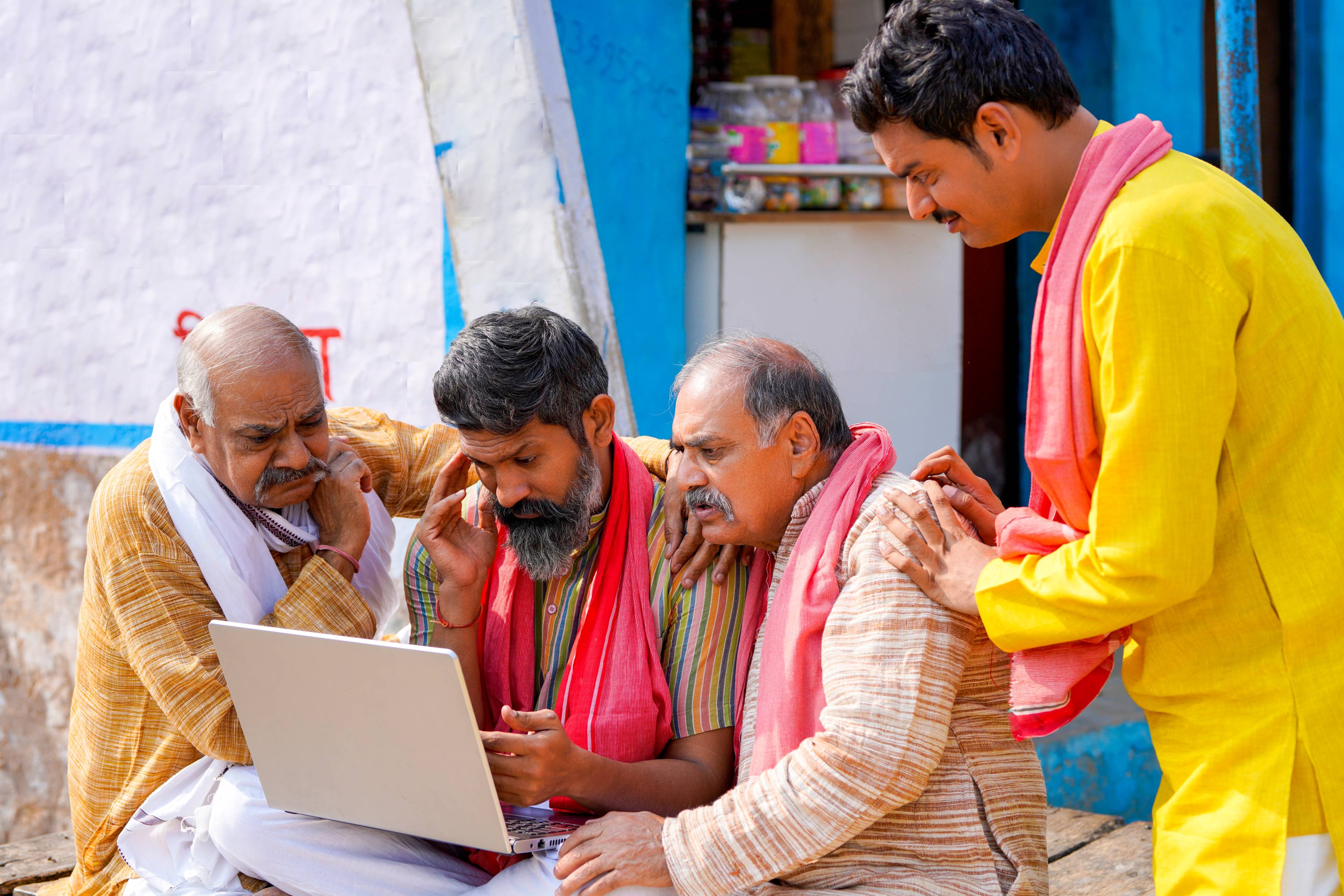
The NTWG downloads the relevant NIG template from the GLOBALG.A.P. website and completes it. Following submission, Agraya GmbH has a maximum of two weeks to ensure that the information is complete and correct.

Agraya GmbH begins the internal technical review and sends comments to the NTWG. The NTWG has a maximum of four weeks to respond, and this process continues until all comments have been resolved. If a response time is longer than eight weeks, the process must be restarted from the submission stage.

Agraya GmbH prepares a peer review report and sends the final version of the NIG to the relevant technical working group for approval. This process takes a maximum of four weeks. Approval can be confirmed in writing or at a technical working group meeting.
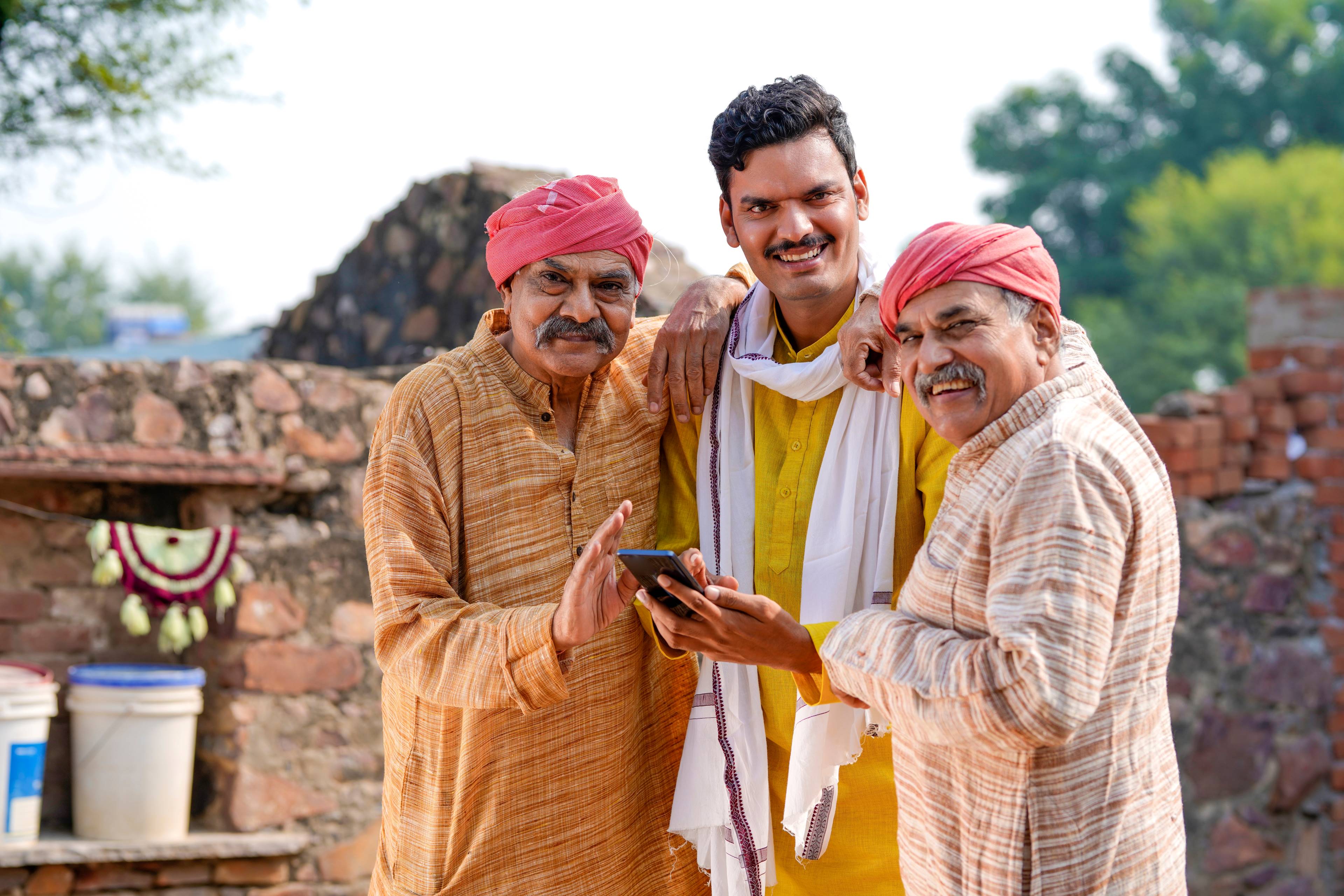
The NIG is added to the GLOBALG.A.P. document center, and its content is integrated into the GLOBALG.A.P. IT platform. Information is provided to all GLOBALG.A.P. Community Members and approved CBs/ABs in the relevant country within a maximum of three weeks. The NIG becomes a GLOBALG.A.P. normative document and is then mandatory for use in the country.
FAQ
NTWG members include stakeholders from across the value chain, such as producer and supplier organizations, certification bodies, retailers and food service companies, and other relevant associations. Participation is free of charge worldwide, and members are added continuously.
The host organization must be a GLOBALG.A.P. Community Member, who receives a discount on the annual community membership fee if the NTWG remains active.
Stakeholders such as producers and retailers are encouraged to connect with their country’s NTWG when seeking help understanding a GLOBALG.A.P. standard or add-on in their local context.
This is coordinated by Agraya GmbH – contact us for more information.
NIGs are developed primarily by national technical working groups (NTWGs), so you must first ensure you have joined the NTWG in your country. In cases where no NTWG exists, a certification body may also lead the process.
To develop the NIG, NTWGs can download the NIG template created by Agraya GmbH. The template provides space for the country-specific interpretation of the standard/add-on criteria. All NIG drafts should be sent as a Microsoft Word document to ntwg@agraya.com for validation and review. See the development process above for a step-by-step guide.
Only standard or add-on criteria can be interpreted by a national technical working group (NTWG). A country-specific interpretation does not replace the original criteria, but simply clarifies their implementation in the context of the target country. The principles to which the criteria are connected are fixed and cannot be changed or interpreted. Where there is no country-specific addition to the criteria to aid understanding and implementation, the original criteria remain valid.
NTWGs are not required to interpret all criteria. Where there is no relevant country-specific interpretation, the NIG template cell is left empty.
If a proposed interpretation refers to external documents, such as records or risk analyses, they must be included in English for review by Agraya GmbH. If certain principles and criteria require evaluation in relation to national or regional legislation, the NTWG must also explain the relevant parts of the legal requirements. If there is no applicable legislation, the cell should specify “not applicable.”
The standard or add-on principles and criteria are always provided in English. Any relevant country-specific interpretation should be provided in both English and the local language.
The process from submission to publication depends on the response time of the national technical working group to review comments. This can vary from three to nine months in total.
See the step-by-step guide to NIG development for more information on each stage of the process.
Yes, NIGs are developed specifically to help producers interpret and implement a GLOBALG.A.P. standard or add-on and must be applied in the audit process.
Producers are given three months from the date of publication to implement the NIG requirements. After the initial three months, accreditation bodies must ensure that all certification bodies have adopted the relevant NIG in their auditing and certification activities in the target country.
The newest GLOBALG.A.P. standards and add-ons adopt a more outcome-oriented approach. This means that the implementation of principles and criteria may vary due to local circumstances, but it is the outcome that counts when demonstrating compliance.
NIGs can help producers to achieve the necessary outcome through an approach adapted to the needs of the target country.

Contact us
For questions about stakeholder collaboration, please contact committees@agraya.com.